Art & Design
Patterdale Art and Design Curriculum
INTENT
At Patterdale:
- Children will explore, experience and be inspired by a wide range of artists and artistic platforms on a local, national and global level.
- Have opportunities to broaden and develop their own creativity and learn crucial skills to build artistic expertise.
- Be outward-looking to find inspiration in different creative and cultural ways.
- Be confident to experiment, evaluate and improve.
TEACHING MIXED AGE CLASSES
Children are taught in mixed age classes. Art and Design topics are planned on a 2 or 4-year cycle, to meet the requirements of the national curriculum, revisit core concepts and ensure progression. When teaching a unit, teachers use formative assessment, and the art and design progression of skills document to adapt their teaching, to build on solid foundations and fill any learning gaps.
CONTENT
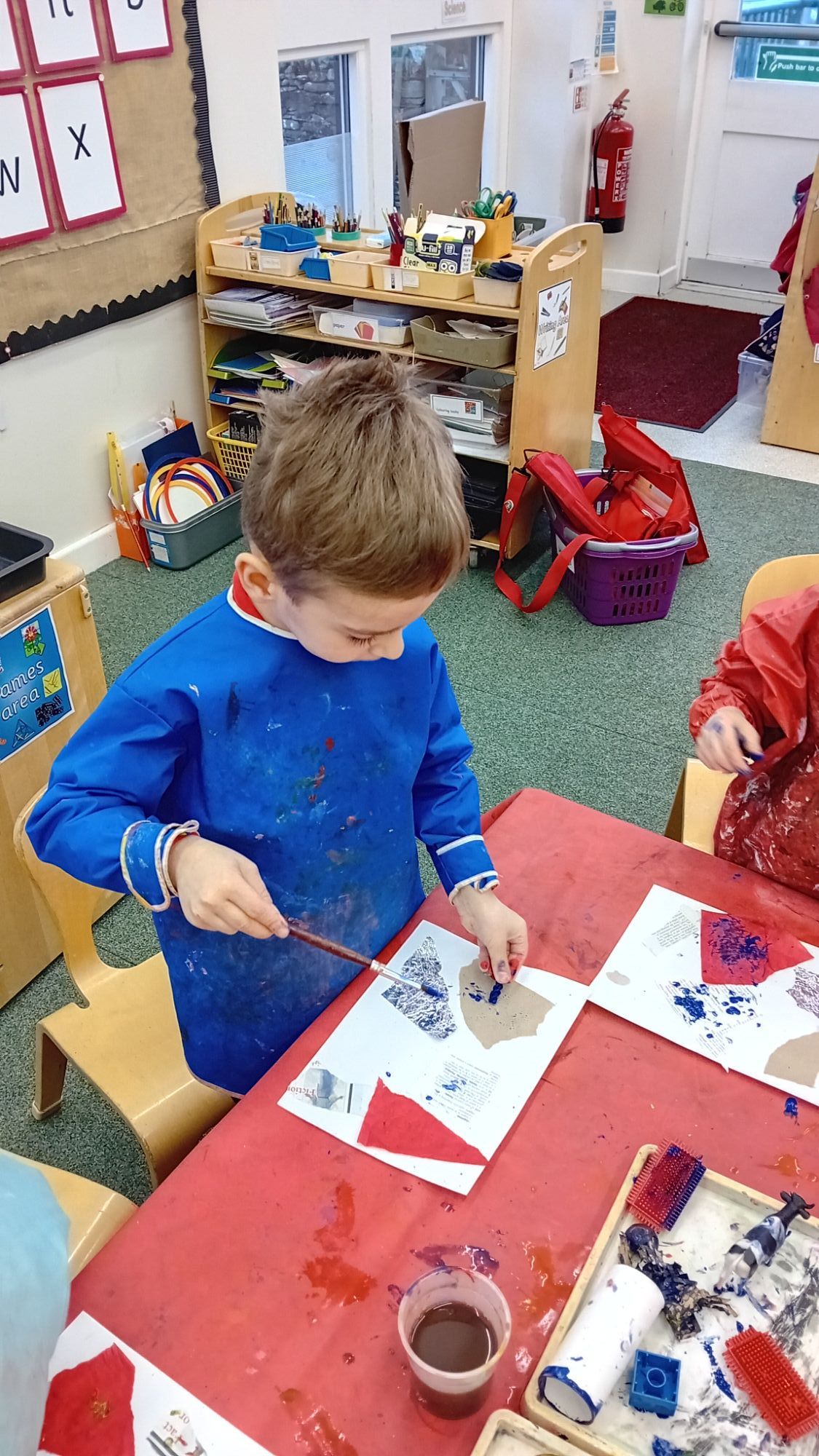
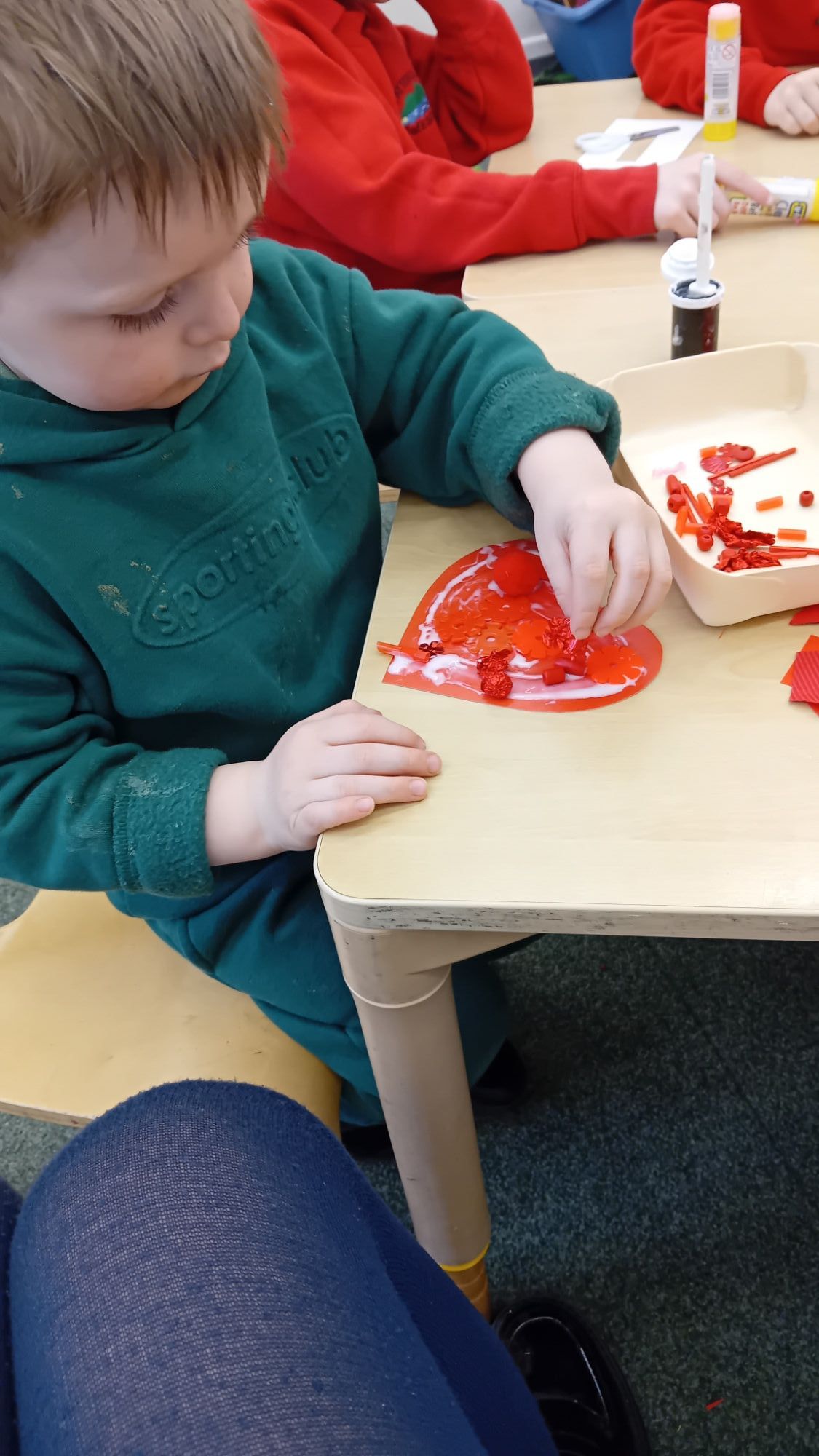
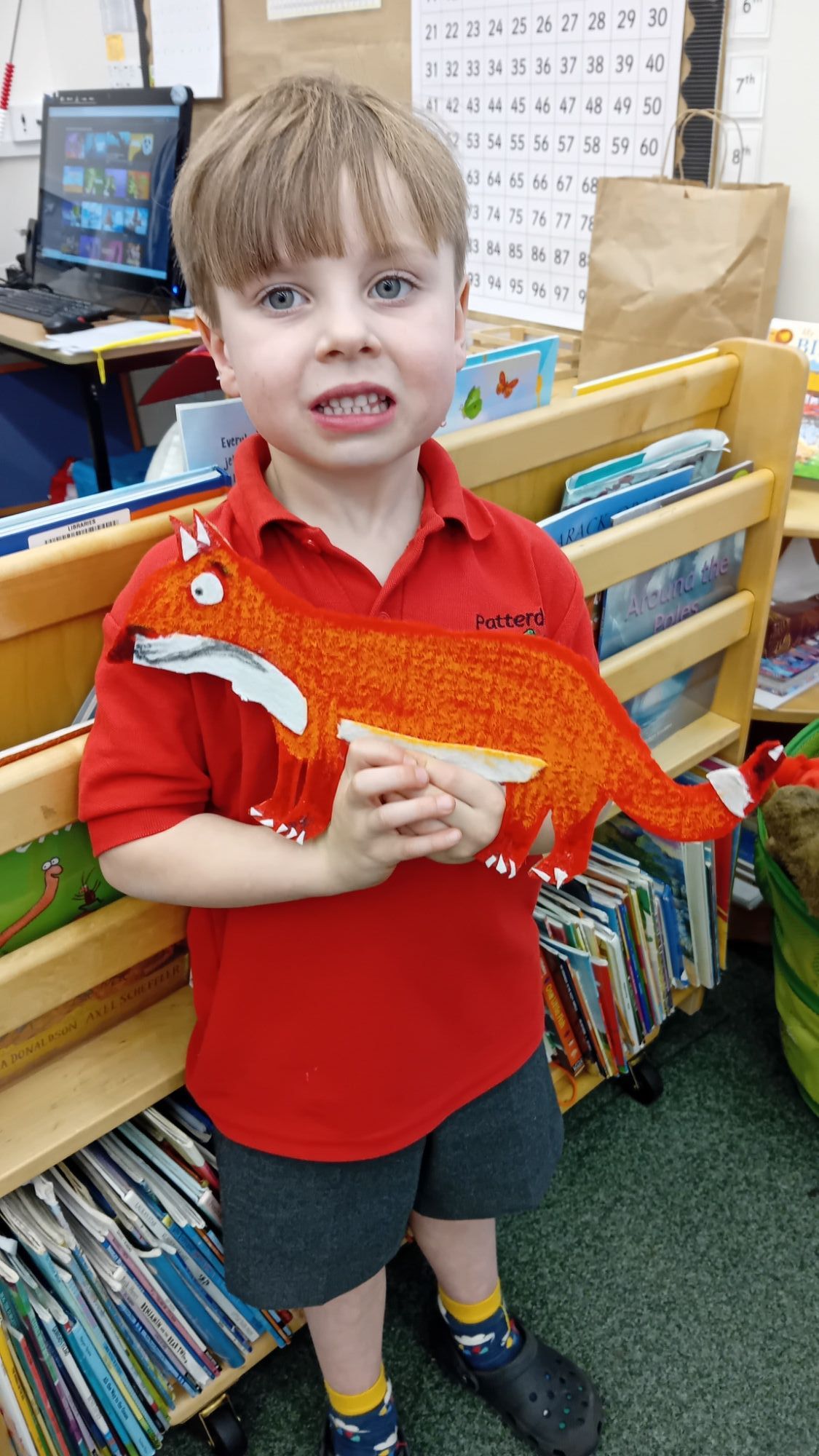
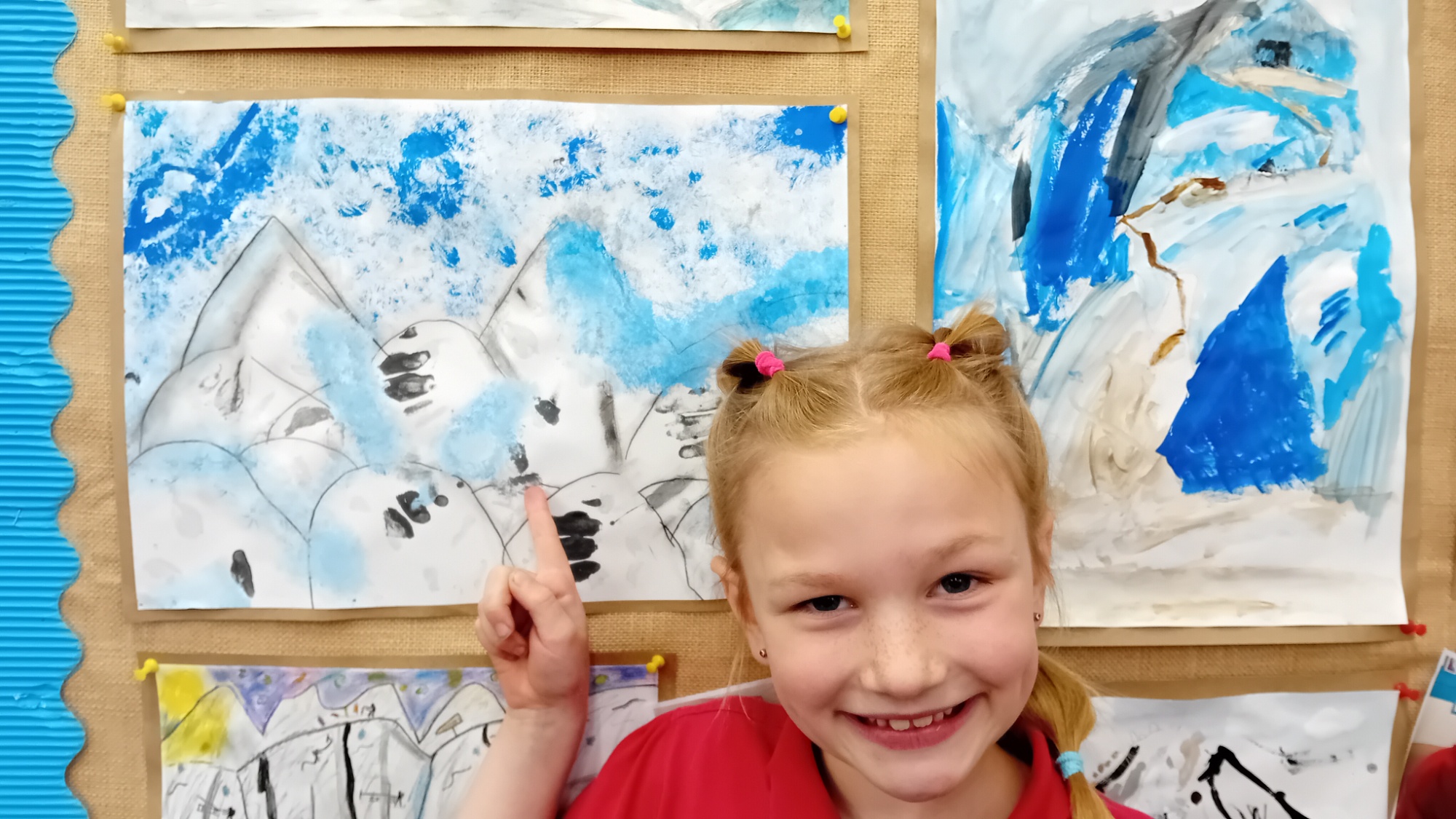
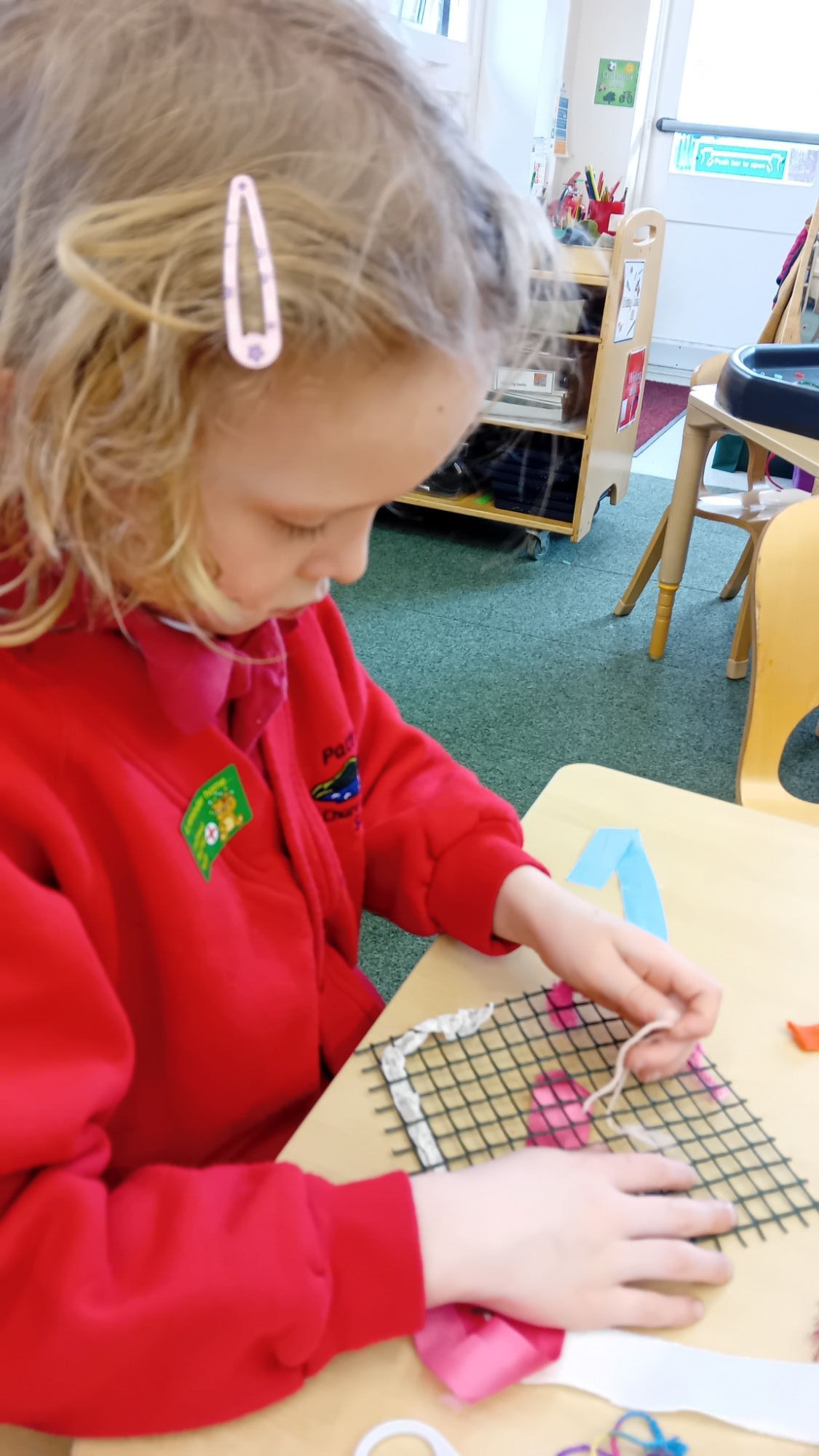
Art and design is delivered through the CUSP curriculum. It provides visual, tactile and sensory experiences and a special way of understanding and responding to the world. It enables children to communicate what they see, feel and think through the use of colour, texture, form, pattern, line and shape and tone using different materials and processes. Children become involved in shaping their environments through painting, drawing, printmaking, collage, 3D and textiles. They learn to make informed judgements and aesthetic and practical decisions. They explore ideas and meanings through the work of artists and designers. Through learning about the roles and functions of art throughout history, and different cultures, they can explore the impact and how it contributes to the culture and creativity of our nation. The appreciation and enjoyment of the visual arts enrich all our lives.
- A range of examples of each skill/technique are discussed and appreciated.
- New art skills/techniques are modelled by an adult.
- Children are given time to practice and experiment with new skills.
- Children are given time to explore new materials.
- Children combine the above to plan work.
- The completion process and finished pieces of work are reflected upon and evaluated.
- Where possible, sketch books are used to record the artistic process.
ASSESSMENT & MONITORING
Sketch books and photos evidence progression in skills from EYFS to Year 6. Questioning, both oral and written, is used to ascertain understanding of vocabulary and processes.