Science
Patterdale Science Curriculum
INTENT
At Patterdale:
- Children experiencing practical, investigative science lessons which will equip them for life to ask and answer scientific questions around them.
- Children progressing through school and leaving Patterdale as critical thinkers in science with a desire to discover more.
- Children are able to discuss their science topics with their peers, teachers and adults outside of school.
- Children have the confidence to find things out through independent learning and investigating.
- Speaking and listening to learn and reinforce scientific vocabulary, is being used effectively in our science curriculum.
- Children use our unique environment to help deliver the full breath of the science curriculum.
TEACHING MIXED AGE CLASSES
Children are taught in mixed age classes. Science topics are planned on a 4-year cycle, to meet the requirements of the national curriculum, revisit core concepts and ensure progression. When teaching a unit, teachers use formative assessment and the science progression of skills document to adapt their teaching, to build on solid foundations and fill any learning gaps.
CONTENT
Here at Patterdale C of E School we deliver science through the CUSP curriculum. The curriculum meets all the requirements of the national curriculum, revisits core concepts and has clear progression, including core vocabulary.
1. Substantive knowledge - this is the subject knowledge and explicit vocabulary used to learn about the content. Common misconceptions are explicitly revealed as non-examples and positioned against known and accurate content. In CUSP science, an extensive and connected knowledge base is constructed so that pupils can use these foundations and integrate them with what they already know. Misconceptions are challenged carefully and in the context of substantive and disciplinary knowledge. In CUSP Science, it is recommended that misconceptions are not introduced too early, as pupils need to construct a mental model in which to position that new knowledge.
2. Disciplinary knowledge – this is knowing how to collect, use, interpret, understand and evaluate the evidence from scientific processes. This is taught. It is not assumed that pupils will acquire these skills by luck or hope. Children construct understanding by applying substantive knowledge to questioning and planning, observing, performing a range of tests, accurately measuring, comparing through identifying and classifying, using observations and gathering data to help answer questions, explaining and reporting, predicting, concluding, improving, and seeking patterns. We call it ‘Working Scientifically.’ CUSP science provides Working Scientifically coverage maps to check the balance of provision in KS1, Lower and Upper KS2. They are also present in the Whole Class Assessment toolkits.
3. Scientific analysis is developed through IPROF criteria. We call it ‘Thinking Scientifically.’
- identifying and classifying
- pattern seeking
- research
- observing over time
- fair and comparative testing
4. Substantive concepts include concrete examples, such as ‘plant’ or more abstract ideas, such as ‘biodiversity’. Concepts are taught through explicit vocabulary instruction as well as through the direct content and context of the study.
ASSESSMENT & MONITORING
As part of the CUSP programme we will:
- Start the lesson by reviewing the children’s recollections of prior learning.
- Assess the children at the end of each lesson based on the lesson question.
- Use CUSP quizzes to support ongoing teacher assessment either during or at the end of each unit.
- Interview children throughout the school year
- Have retrieval practice built into lessons to assess understanding.
- Scrutinise pupil book to monitor the quality of learning
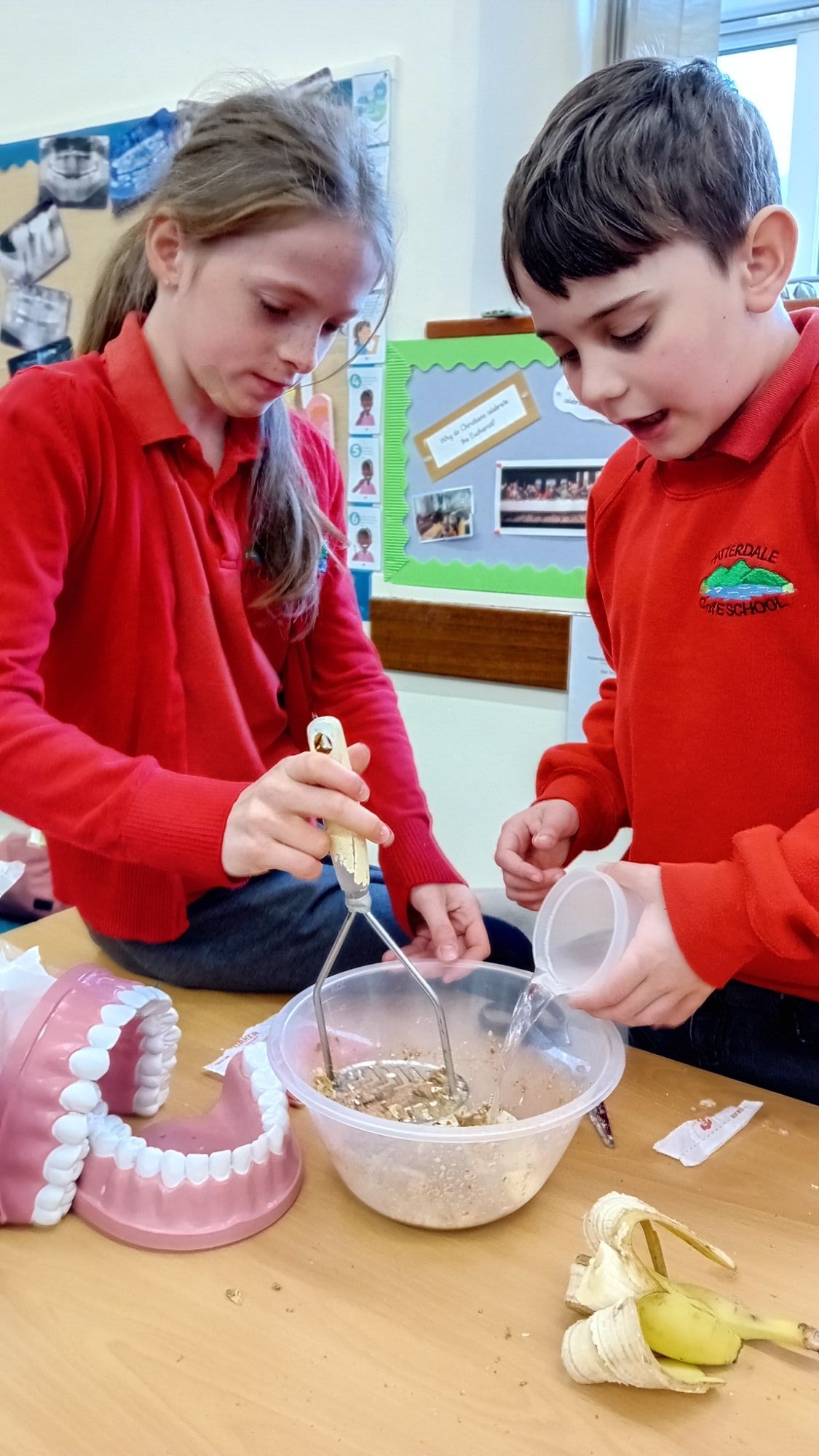
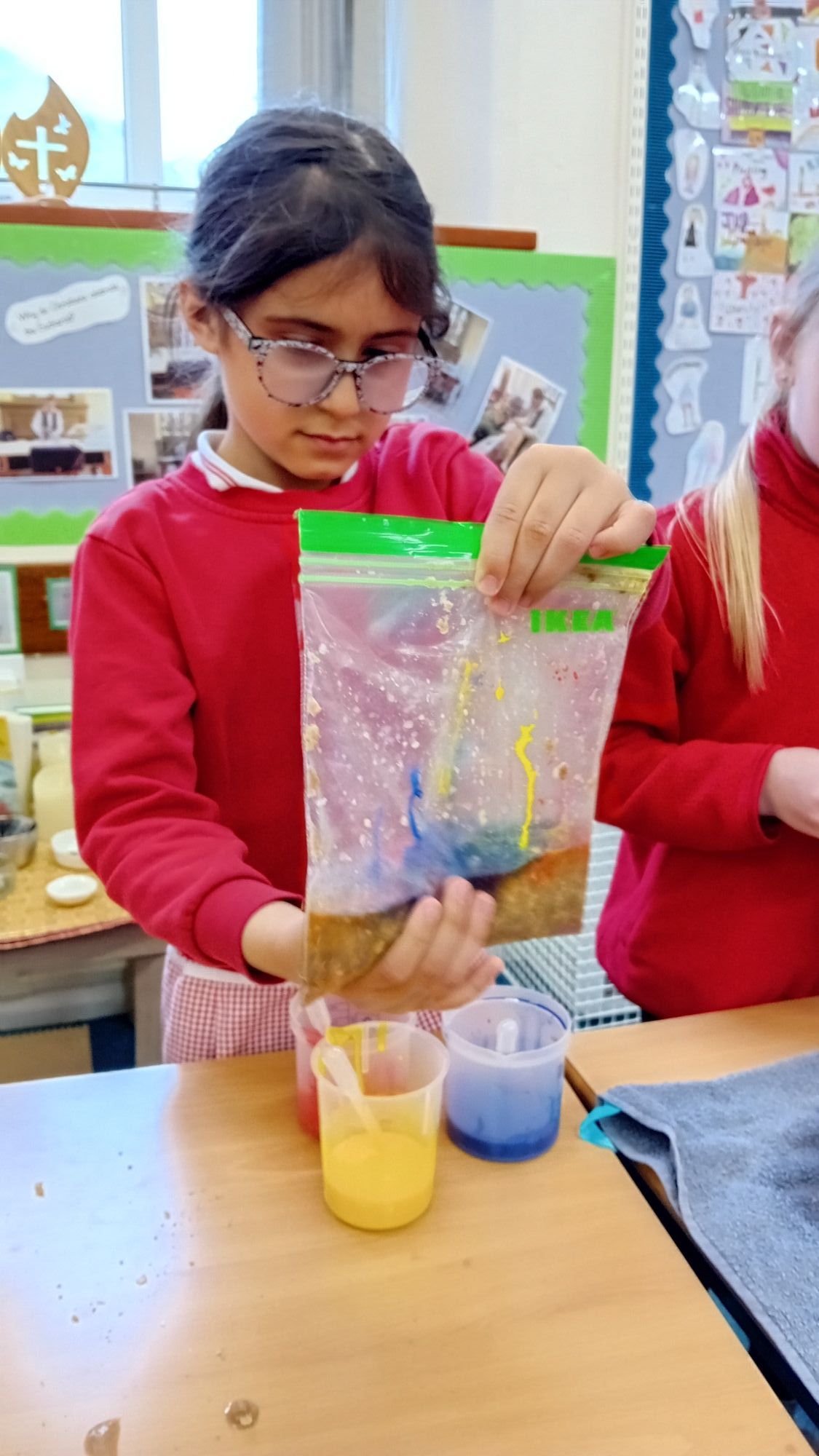
Our hand-reared Faverolle Chickens (Puff- Mum, Squidge-Dad), sat on their own eggs and hatched two chicks (Duck and Lightning), who now live with the vicar at the rectory.
We have incubated two sets of rare breed ducklings, one for a local small holder and one for a local market garden. They are used as organic pest control.
We regularly visit local farms and often witness births. We have even brought an orphan lamb to school to rear, his name was Bob.